Français
 Nederlands
Transforming your ornamental garden into an edible one
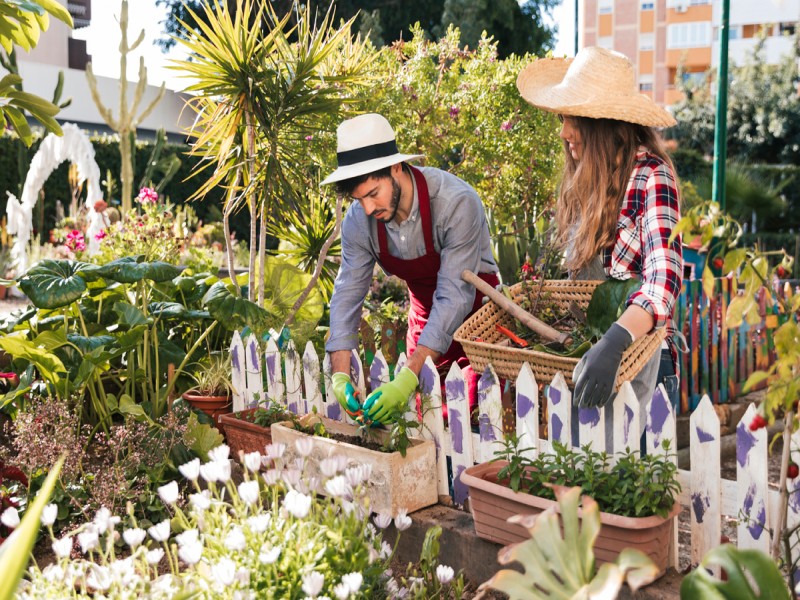
Integrating edible crops into an ornamental garden is a trend that effortlessly combines aesthetics with functionality. Many people fear that a vegetable garden detracts from a garden's visual splendor, but nothing could be further from the truth. Through strategic design, vegetables, fruits, and herbs can serve as full-fledged ornamental plants. Think of the beautiful leaves of Swiss chard or the decorative flowers of zucchinis. It is essential to look at the structure of the planting. Use edible crops as accents in the border instead of placing them in enclosed rows. By adding variation in height and leaf texture, you create a permaculture that both pleases the eye and feeds the stomach. Mixing flowers with vegetables also attracts beneficial insects, which significantly strengthens the natural balance in your outdoor space and eliminates the need for pesticides.
Strategic design and maintenance
A successful edible garden requires careful planning that takes into account the specific needs of each plant. Sunlight is the most important factor here; choose the sunniest spots for your fruit crops and utilize shady corners for leafy greens or herbs like mint and parsley. Integrating perennial plants, such as fruit trees or berry bushes, provides a structural foundation that returns every season. This 'edible architecture' ensures that your garden does not look bare in the winter. Maintenance is also a crucial aspect of the sustainable garden. By working with organic soil conditioners and mulch layers, you keep the soil healthy and moist. This saves time on watering and significantly reduces weed pressure. Don't forget to include paths and seating areas in your design that invite you to stay. After all, a garden should remain a place of relaxation, where the harvest is just a bonus of the biodiversity you have created through the harmonious cooperation between ornamental and edible plants.
The synergy between aesthetics and harvest
When you choose an edible garden, you choose a living ecosystem that is constantly in motion. Adding edible flowers such as nasturtiums or violets to your flower beds adds immediate color to your dishes and to the garden itself. These plants often act as 'decoy plants' for beneficial pollinators, naturally increasing your vegetable yield. It is fascinating to see how the boundary between a formal ornamental garden and a vegetable garden blurs into an edible landscape. Invest in vertical elements such as trellises or pergolas where climbing beans or grapes can grow. This adds depth to the garden design and maximizes your yield on a relatively small area. By finding the right balance, you create an oasis that is not only beautiful to look at, but also offers a rich source of fresh produce. The ultimate goal is a garden that stimulates the senses while providing a harvest that you can enjoy every day, contributing to a healthy and conscious lifestyle in the middle of your own home environment.