Français
  Nederlands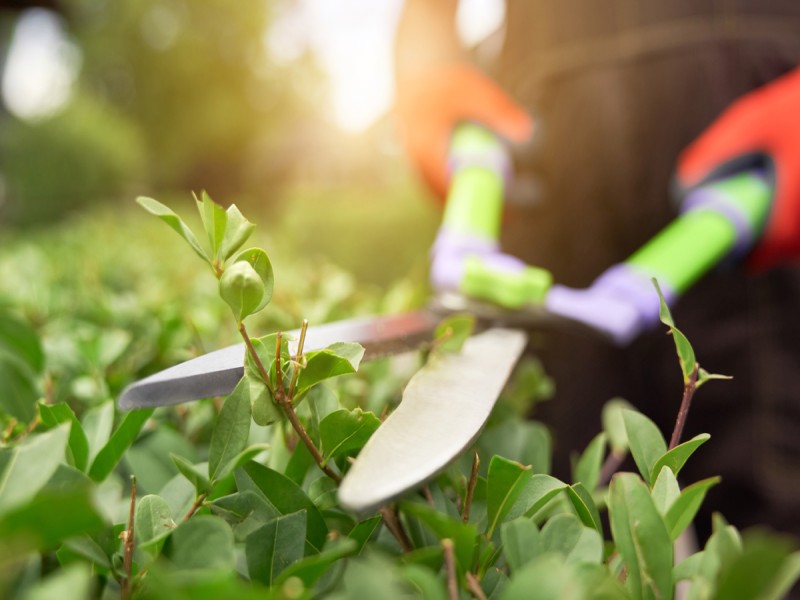
The essentials of pruning for a healthy garden
Pruning is a fundamental aspect of garden maintenance that goes beyond aesthetics; it is a vital act to ensure the health and longevity of your plants. By pruning regularly, you remove dead or diseased wood, which prevents the spread of infections and stimulates the plant to develop new shoots. Growth is optimized, making your garden not only look fuller but also more resilient against external influences such as storm damage or pests.
It is essential to understand that not every plant requires the same treatment. Perennials generally benefit from a rigorous pruning after flowering or in early spring, while shrubs and trees have specific timings closely linked to their sap flow and growth cycle. A thorough pruning calendar helps to avoid unnecessary stress to the plant.
Which species need structural attention?
Fruit trees and shrubs such as hydrangeas, butterfly bushes, and roses are the core of maintenance-sensitive plants. Fruit trees require annual winter pruning to promote light penetration into the crown, which is essential for high-quality fruit setting. Without this intervention, the tree becomes overloaded and the quality of the fruit decreases significantly. Pruning wounds must always be cut neatly and at an angle to prevent rotting from seeping moisture.
In addition, hedges such as beech or conifers depend on regular trimming to maintain their tight shape. If you fail to trim these structurally, bare spots will appear that often do not recover. Also, spring bloomers, such as the forsythia, require a specific approach: they must be pruned immediately after flowering to ensure the formation of new flower buds for the next season. Management of these plant groups ensures a garden that remains perfectly balanced year after year.
Tools and techniques for sustainable maintenance
Besides timing, the use of high-quality, sharp tools is indispensable for a professional result. Blunt shears cause jagged wounds, which act as an open door for bacteria and fungi. Therefore, invest in a good pruning shear for finer work and loppers or a saw for thicker branches. By applying the technique of pruning just above an outward-facing bud, you direct the future growth of the branch in the right direction, leading to an open and healthy plant structure. Finally, it is crucial to always consider the weather conditions.
Preferably prune on a dry day with a moderate temperature to minimize infection risks for open wounds. By consistently applying these skills, you transform your outdoor space into a thriving ecosystem where every tree and shrub is given the space to perform optimally. With a systematic approach, your garden remains a source of tranquility and visual enjoyment throughout the year.