Français
  Nederlands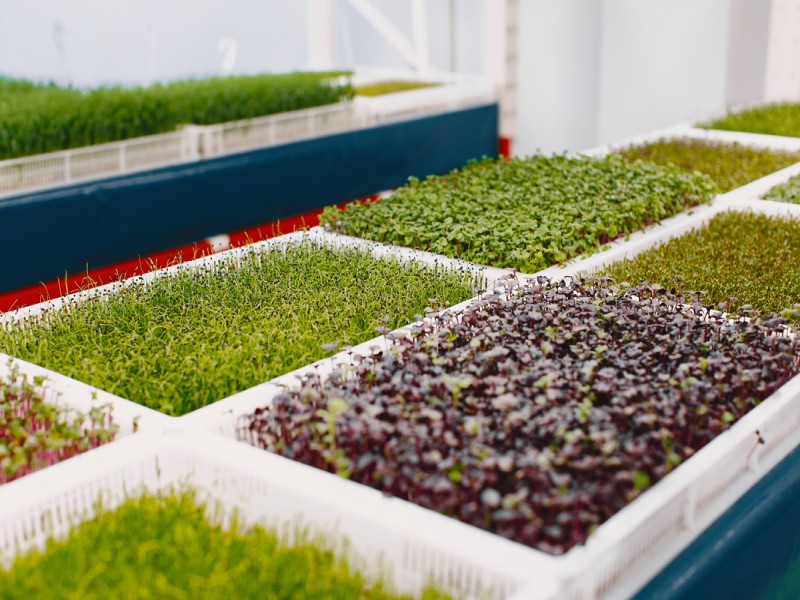
Efficiency and Water Conservation
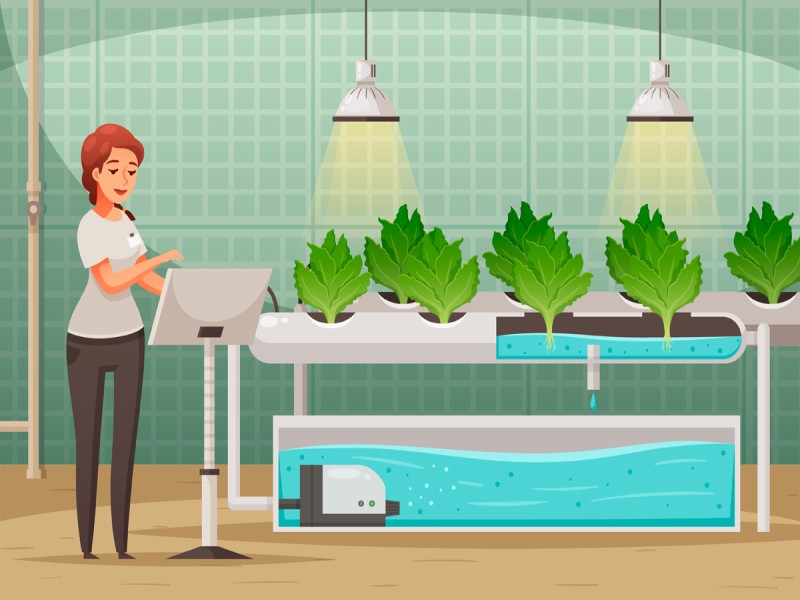
One of the most prominent advantages of hydroponics over traditional soil-based cultivation is the unprecedented efficiency in water usage. In a hydroponic system, plants are grown in a nutrient-rich liquid instead of soil, allowing water to be recirculated in a closed loop. This means that up to 90% less water is required compared to conventional farming methods, where a significant portion of irrigation water simply leaks into the soil or evaporates.
Furthermore, this technique allows growers to precisely control nutrient uptake. Because the roots are directly provided with an optimal mix of minerals, the growth rate of crops is significantly increased. This results in shorter cycles between sowing and harvesting, which vastly increases the total annual production per square meter. This precision also prevents the waste of fertilizers, which often leach into groundwater in soil-based systems, making hydroponics a more environmentally friendly alternative for large-scale food production.
Space Utilization and Environmental Control
In addition to saving natural resources, hydroponics offers unparalleled flexibility in terms of location choice and space utilization. Because fertile soil is not required, installations can be placed on barren land, in urban environments, or even in vertically stacked modules. This vertical farming makes it possible to produce a multitude of crops on a limited surface area, which is essential for food supply in densely populated regions. Full control over the growing environment is another critical aspect that makes hydroponics superior.
In a protected, controlled environment, plants are less susceptible to diseases, pests, and extreme weather conditions. As a result, the use of chemical pesticides and herbicides can be kept to an absolute minimum or made entirely redundant. The result is a purer and healthier end product. Moreover, climate management ensures a constant yield throughout the year, regardless of the season or external climate. This eliminates the uncertainty of seasonal harvests and provides a robust solution for the growing global demand for fresh, locally produced vegetables and herbs in a changing climate.
Sustainability and Future Vision
Finally, hydroponics contributes to a more sustainable logistics chain by enabling production facilities to be located closer to the end consumer. Traditional agriculture often requires large-scale transport from agricultural areas to urban centers, leading to a high ecological footprint due to CO2 emissions. By growing crops in the city using hydroponics, transport lines are shortened, maximizing the freshness and nutritional value of products while minimizing waste during distribution.
Although initial investment costs for high-quality systems may be higher than for traditional methods, the long-term benefits in terms of resource efficiency and stable production often outweigh them. Innovations in LED lighting and automation are also making these systems increasingly accessible and cost-effective. It is clear that the integration of hydroponics represents a fundamental shift in agriculture. This method is not just a temporary trend, but a necessary evolution to feed the global population in a responsible, efficient, and climate-resilient manner in the coming decades.